Modern supply chains are built on a complex web of transportation routes, manufacturing hubs, and distribution networks that span the globe. From the metal parts in our smartphones to the food in our grocery stores, many of the products people rely on every day travel thousands of miles before reaching consumers. While this interconnected system enables efficiency and global trade, it also makes supply chains vulnerable to unexpected disruptions.
Among the most significant of these disruptions is severe weather. This can negatively impact trade in a variety of ways, rippling across industries and markets far beyond the regions directly affected. We’re here to take a closer look at how severe weather disrupts global supply chains, so you can better anticipate delays when big storms occur.
Storms and Hurricanes Can Shut Down Ports
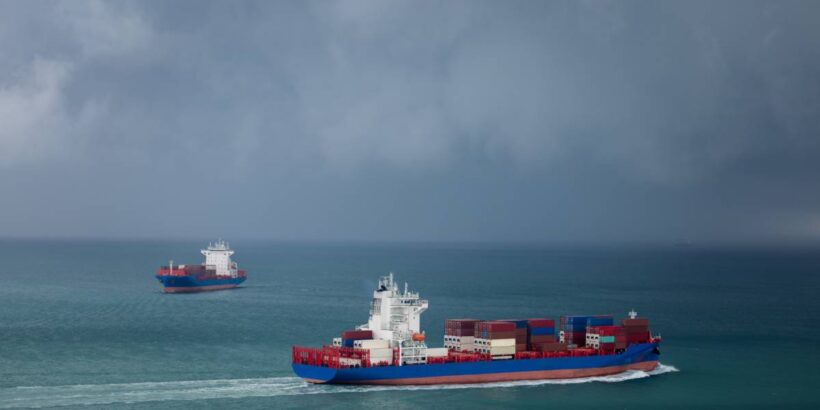
Major storms and hurricanes pose a serious threat to coastal infrastructure, particularly ports that serve as critical gateways for global trade. When a hurricane approaches, ports often suspend operations to protect workers, vessels, and cargo. They may even force ships to remain offshore or reroute to alternative ports, creating delays that can last days or even weeks.
Even after the storm passes, potential damage to port infrastructure can prolong disruptions. Strong winds, storm surges, and heavy rainfall may destroy cranes, docks, and storage facilities, all of which can lead to a slowdown in cargo loading and unloading. Because many industries rely on tightly scheduled shipments, these delays can quickly lead to shortages of raw materials or finished goods. A single port closure can therefore trigger bottlenecks throughout global supply networks.
Flooding Can Halt Factories and Warehouses
Flooding is another severe weather event that can significantly disrupt global supply chains. Since many manufacturing facilities and distribution centers are often located near rivers, coastlines, or transportation corridors, they can quickly become vulnerable to rising water levels during heavy rainfall or storms. While it’s possible to predict metal price trends through global indicators, factors like this are much harder to account for.
When flooding occurs, factories will likely need to shut down operations to protect equipment and ensure worker safety. This kind of water damage can affect machinery, electrical systems, and stored inventory, sometimes requiring costly repairs before production can resume. Warehouses may also lose stored goods if floodwaters reach storage areas.
In addition, flooding can prevent employees from reaching facilities safely, further delaying production and distribution. These interruptions can reduce product availability across multiple markets, especially when affected facilities play a key role in global manufacturing.
Winter Storms Can Disrupt Land Transportation
While hurricanes and floods often affect coastal or low-lying regions, inland areas aren’t immune to bad weather. Winter storms have been known to create massive disruptions to supply chains in colder environments. Heavy snowfall, freezing rain, and icy roads can make highways and railways dangerous or completely impassable, preventing trucks and trains from transporting goods.
Because trucking is one of the primary methods for moving products between ports, warehouses, and retail locations, even short-term winter storms can significantly slow deliveries. Rail networks may also experience delays due to frozen tracks, reduced visibility, or equipment challenges caused by extreme cold. As transportation slows, distribution centers may struggle to maintain inventory levels, leading to delayed shipments for businesses and consumers alike.