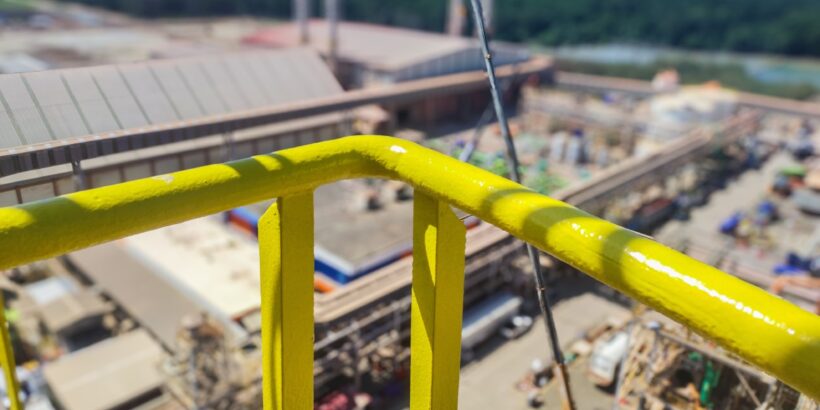
Employees move quickly between tasks, carry equipment, navigate changing elevations, and adjust to indoor and outdoor conditions throughout the day. Without proper support systems in place, minor missteps become serious safety risks.
Handrails improve people’s confidence and reduce liability. Learn about the workplace areas that need handrails for safer, more resilient environments.
1. Stairways Between Floors
Stairways remain one of the most common locations for workplace injuries. People climb stairs while reviewing notes, carrying materials, or talking with colleagues.
Commercial buildings require handrails that meet strict height, clearance, and grip standards. A sturdy handrail provides balance and stability during every step.
When evaluating stairways, consider the differences between indoor and outdoor handrails. Interior staircases prioritize smooth finishes and design continuity, while exterior systems must withstand moisture, temperature shifts, and corrosion. Steel handrails deliver durability in high-traffic environments and resist wear over time.
2. Exterior Entrances and Exit Points
Main entrances, loading docks, and emergency exits experience constant use. Rain, ice, and debris increase slip risks and create unstable footing. Installing handrails along exterior steps and ramps gives employees dependable support during unpredictable weather.
Exterior handrails should feature:
- Corrosion-resistant materials such as powder-coated or galvanized steel
- Secure anchoring into concrete or structural framing
- Textured or slip-resistant grip surfaces
These features strengthen durability and maintain safety through seasonal changes. Businesses that prioritize exterior access points demonstrate a clear commitment to employee well-being.
3. Ramps and Accessibility Pathways
Accessibility stands as both a legal requirement and an ethical responsibility. Ramps allow individuals with mobility challenges to move independently through a workplace. Handrails on both sides of a ramp improve stability and encourage proper posture while ascending or descending.
Slope, spacing, and grip diameter all influence usability. A sturdy rail system supports a steady pace and reduces strain on wrists and shoulders. Thoughtful placement ensures compliance with ADA standards while creating a welcoming environment for everyone who enters the building.
4. Elevated Platforms and Mezzanines
Warehouses, manufacturing facilities, and creative studios commonly include raised platforms. Employees access storage areas, equipment stations, or observation decks several feet above ground level. Without railings, these spaces pose serious fall risks.
Handrails along stairs and guardrails along platform edges create a layered safety system. Clear sightlines and consistent rail height help workers navigate elevated areas with confidence. In fast-moving environments, that stability protects both productivity and physical safety.
5. Transition Zones Between Work Areas
Many injuries occur not in obvious danger zones but in transitional spaces. Short step-downs between office sections, slight elevation changes in break rooms, or small staircases connecting departments may seem harmless. Yet quick movements through these areas increase the chance of slips.
Installing handrails in these smaller transition zones reinforces consistent safety standards across the workplace. When every elevation change includes reliable support, employees don’t have to second-guess their footing.
Why These Work Areas Deserve Attention
Safety doesn’t require complex solutions. It requires attention to the areas where support matters most.
Stairways, entrances, ramps, platforms, and transition zones shape how people experience a building. Each of these workplace locations encounters ample movement, and handrails are essential safety components. Overlooking even one area creates gaps in protection.